
We Treat Pediatric Hypotonia in Houston, Texas
Hypotonia, often referred to as low muscle tone, is a condition that can impact individuals of all ages, though it is most commonly observed in infants and young children. This condition is characterized by reduced tension in the muscles, leading to noticeable challenges in movement, posture, and physical activities. If you’ve heard about hypotonia and are wondering what it is, what the symptoms look like, or how it can be treated, this guide is here to help. At Daisy Kids Care, we treat hypotonia for our Houston, TX, patients. We want your child to feel empowered as they grow stronger every day.
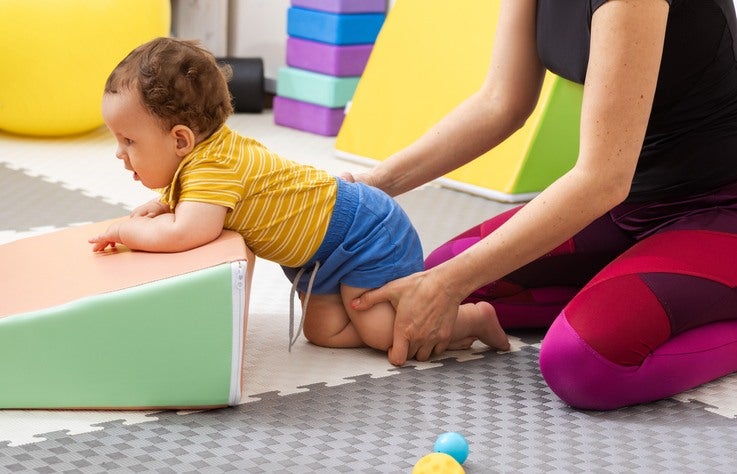
What is Hypotonia?
Hypotonia is a medical term for decreased muscle tone. Unlike conditions that affect muscle strength, muscle tone refers to the amount of resistance a muscle offers when at rest. For those with hypotonia, muscles feel soft and flaccid, and movements may appear loose. While it is commonly associated with pediatric cases, hypotonia can occur at any age.
Signs and Symptoms of Hypotonia
Recognizing the symptoms of hypotonia is the first step in understanding and addressing the condition. Some common indicators of pediatric hypotonia include:
- Reduced Muscle Resistance – Muscles may feel overly relaxed or floppy when manipulated.
- Poor Postural Control – Individuals may struggle to maintain posture or balance, leading to slumping or floppy movements.
- Developmental Delays – Milestones such as sitting up, crawling, or walking may take longer to achieve in children with hypotonia.
- Difficulty Feeding or Speaking – Babies may struggle with sucking, chewing, or swallowing, while older children could show speech delays due to weakened oral muscles.
- Decreased Reflexes – Reflex responses, such as the knee-jerk reaction, may appear muted or absent.
What Are the Causes of Hypotonia?
Hypotonia is not a condition in itself but rather a symptom or manifestation of an underlying issue. Once we determine the underlying cause of hypotonia, we can implement a treatment plan. The common causes of hypotonia include:
- Neurological Disorders – Cerebral palsy, Down syndrome, or genetic syndromes like Prader-Willi syndrome can lead to hypotonia.
- Muscular Disorders – Conditions like muscular dystrophy or congenital myopathies directly impair muscle function.
- Damage to the Nervous System – Spinal cord injuries, brain injuries, or illnesses that damage nerves can contribute to hypotonia.
- Premature Births – Premature infants may experience temporary hypotonia as their bodies continue to develop.
Treatments and Therapy Options for Hypotonia
We customize treatment and therapy options for our hypotonia patients. Some of the most common treatment options for hypotonia include:
- Physical Therapy – There are many benefits of physical therapy for hypotonia pediatrics because it focuses on strength, motor skills, and overall muscle coordination. We use therapeutic drills, stretching, and posture correction techniques to tackle muscular feebleness and encourage superior body alignment.
- Occupational Therapy – This therapy targets fine motor skills and daily activities, ensuring children with hypotonia can participate more independently in their daily lives. We focus on dressing, mealtimes, and play to boost their independence.
- Speech and Feeding Therapy – For those with oral muscle weakness, speech therapists can assist in improving articulation, chewing, and swallowing capabilities. We know the most successful ways to help fortify oral muscles and enhance communication capabilities.
- Treating Underlying Conditions – If hypotonia is caused by a specific medical condition, addressing that cause can mitigate its effects. We work with you to determine the best treatment for your child’s case.
When to Seek Professional Help
Pediatric hypotonia is often detected early due to delays in developmental milestones. If you’re noticing persistent signs such as floppy muscle tone, feeding difficulties, delayed movement, or challenges in posture, it’s important to contact our medical team. We understand the importance of early intervention to ensure your child has the support and resources to thrive.
Learn More About Hypotonia Today!
At Daisy Kids Care, our compassionate medical team offers treatment for hypotonia. We understand the challenges and are dedicated to helping your child strengthen their muscles. We work tirelessly to build our reputation as the highest-quality pediatric healthcare service in the region. Our team prides itself on performing same-week evaluations, so you don’t have to wait any longer for help. Reach out to us today to schedule an appointment and learn more about our treatment for hypotonia.
Frequently Asked Questions
What are the causes of hypotonia?
Hypotonia, also known as low muscle tone, can have a variety of causes. Some children are born with it as part of a genetic condition, while others develop symptoms later due to illness or injury. In many cases, pediatric hypotonia is associated with neurological or muscular disorders, but sometimes no clear cause is found even after thorough evaluation. The causes of hypotonia can include:
- Genetic conditions such as Down syndrome or Prader-Willi syndrome
- Neurological issues, including brain malformations or damage
- Muscular disorders like muscular dystrophy
- Metabolic conditions that affect muscle function
- Premature birth or birth trauma
Will my child outgrow hypotonia?
It depends on the underlying cause, but in many cases, children can make significant progress. Some children with mild hypotonia improve noticeably as they grow, especially with the help of consistent physical, occupational, or speech therapy. However, if hypotonia is part of a larger condition, ongoing support may be necessary. When people ask if children can outgrow hypotonia, they are often really asking whether strength, coordination, and motor development can improve—and the answer is yes, with the right strategies in place. Our team provides therapy services designed to target muscle tone, coordination, and postural control, helping children build skills and confidence over time. Even if hypotonia does not fully resolve, many children learn how to move more efficiently and participate in daily activities with greater ease.
Can a hypotonic child learn to walk?
Yes, most children with hypotonia do eventually learn to walk, though it may take more time and practice compared to peers. Low muscle tone can delay milestones like sitting, crawling, and standing, but with therapy and support, walking is often achievable. In some cases, orthotic devices may be recommended to support the ankles and feet, especially if pronation is present. Here are some ways treatment for hypotonia can help promote walking:
- Strengthening core and leg muscles through physical therapy
- Improving balance and postural control
- Using braces or orthotics for additional stability
- Encouraging frequent practice in safe, supportive environments
Will my child have a normal life?
Children with hypotonia can live full and active lives. The challenges they face early on can be managed with a combination of therapies, home exercises, and educational support. While the journey may look different from that of other children, many kids with low muscle tone attend school, play sports, and enjoy friendships just like their peers. Some children may need ongoing support with tasks that require strength or coordination. Others may reach a point where hypotonia has little impact on daily function. Regular evaluations and early intervention can make a meaningful difference. We focus on helping children gain independence, improve mobility, and develop the confidence to participate in the world around them.
What about pronation?
Pronation is common in children with hypotonia. It refers to the inward rolling of the ankles and flattening of the arches, which can affect balance and walking. Because low muscle tone reduces joint stability, the muscles that support proper foot alignment may not be as active as needed. Over time, untreated pronation can lead to discomfort, fatigue, and poor movement patterns. Addressing pronation early is an important part of comprehensive treatment for hypotonia. We work closely with families to ensure that children are supported both in therapy and at home. If we notice signs of pronation during a therapy session or evaluation, we may recommend a customized treatment plan that includes:
- Targeted exercises to improve foot and ankle stability
- Orthotic devices designed to correct alignment and support the arch
- Guided movement practice to reinforce proper foot positioning
Why Choose Us?
- No Wait Lists
- Comprehensive Care
- Fast & Easy Transitions
- One-On-One Patient Care
- Locally Family Owned & Operated
- Ongoing Quality Monitoring & Improvement